News, Updates and Insights

BLOG

27/Feb/2021

Whiplash Associated Disorders (WAD)


Overview:

Whiplash Associated Disorders (WADs) is a term used to describe the symptoms resulting from whiplash.  WAD can either be acute (0-12 weeks post-accident) or chronic (?12 weeks post-accident); the severity of which is graded on the Quebec Task Force Classification from 0 to 4.


  • Grade 0 – No neck pain or discomfort. No physical signs of injury.
  • Grade 1 – Neck pain, stiffness or tenderness only. No physical sign(s) of injury.
  • Grade 2 – Neck pain, stiffness or tenderness and some physical signs of injury, such as reduced range of movement and point tenderness
  • Grade 3 – Neck pain, stiffness or tenderness and neurological signs of injury, such as weakness or changes to reflexes.
  • Grade 4 – Neck pain and fracture or dislocation.


Cause:

WADs are neck injuries usually occurring due to a motor vehicle accident (MVA) but can be the result of any impact that causes the head to jerk back-and-forward, e.g. contact sports such as football.


Symptoms:


  • Headaches
  • Neck pain and stiffness
  • Decreased range of motion
  • Shoulder pain


Prognosis:

According to clinical guidelines from the National Health and Medical Research Council:

  • 44% of patients have recovered 1 month post injury
  • 65% of patients have recovered 12 months post injury
  • 75% of patients have recovered 5 years post-injury
  • Approximately 25% of patients with whiplash progress to chronic symptoms


Factors associated with poorer outcomes (slower or less complete recovery):

Psychological factors such as:


  • passive coping style
  • depressed mood
  • fear of movement


Treatment:

Acute Whiplash

Current evidence indicates that the most beneficial treatment is exercise and remaining active. Exercise prescription typically includes range of motion and strengthening; specifically targeting neck and scapular muscles (WAD guidelines 2014).


It is important to advise patients to act as usual and avoid voluntary restricting neck movements. There is no current evidence supporting benefits from immobilisation techniques (including the use of neck bracing and collars in most cases) as these may delay recovery. If a collar is prescribed for WAD, it should not be used for greater than 48hours. (NHMRC 2008)


Other treatments may be used in conjunction with exercise when there is ongoing evidence of benefit. These include:


  • Simple analgesics-short term use
  • Heat and ice
  • TENS, electrical stimulation, ultrasound
  • massage


Chronic Whiplash

Treatment is similar to that of acute whiplash, promoting an active component of rehabilitation. Cognitive behavioural approaches and passive joint mobilisation have been proven effective and should be combined with an active component of rehabilitation. Continued use is based on the presence of ongoing evidence of benefit.

At Holistic Physio Fitness we specialise in treating whiplash injuries. To make an appointment or for more advice over the phone please call us on (02) 9999 6666.


al, C. e. (2009). Course and Prognosis Factors for Neck Pain in Whiplash- Associated Disorders (WAD). Journal of Manipulative and Physiological Therapeutics, 32 (2); S97-S107.

Motor Accidents Authority (2014). Technical Report- Guidelines for the management of acute whiplash associated-disorderes for health professionals.

National Health and Research Council (2008). Clinical guidelines for best practice management of acute and chronic whiplash-associated disorders.

Scholten-Peetersa. (2003). Prognostic factors of whiplash-associated disorders: a systematic review of prospective cohort studies. Pain, 303-322.


Sense-Wear.png
27/Feb/2021

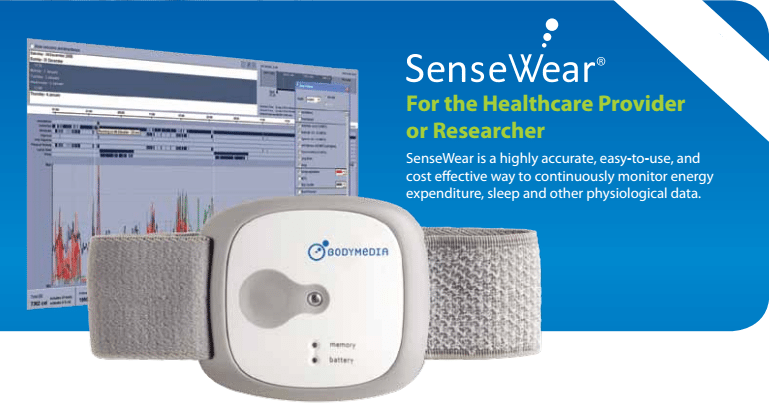
Monitoring weight loss with Sensewear is one of the most accurate tools we have today.When someone embarks on a weight loss journey, the more accurate and aware of their routine they are, the more success they generally have. At Holistic Physio Fitness we have the SenseWear hardware and our practitioners are highly qualified to interpret the results.

Sensewear is an armband that we use to gather important information about your activity level, type of activity, calories burned and sleep patterns. It is considered one of the most accurate devices in the world. Much like your heart rate monitor you wear in the gym, this device is a simple and small device that fits to your upper arm, will give you how many calories you are burning plus a whole array of other interisting and important paramaters, however the accuracy is far superior to a heart rate monitor.

The SenseWear Armband has multiple sensors. These innovative sensors take different “views” of your patient’s life.

What We Monitor:

  • Motion: The Armband contains an accelerometer, a device that measures motion.
  • Steps: The Armband counts your steps, using the accelerometer to measure the distinct patterns created by walking and/or running.
  • Galvanic Skin Response: This measures the electrical conductivity of the skin, which changes in response to sweat and emotional stimuli.
  • Skin Temperature: A sensitive electronic thermometer measures the temperature of the skin.
  • Heat Flux: Measures the amount of heat dissipating from the body

Regular exercise and physical activity continue to be one of the key factors in preventing chronic disease and promoting good health. Knowing how much activity and sleep you are getting can be difficult to understand without an objective measurement. Furthermore, physical activity is a good indicator of a person’s overall mental and physical health and can change in response to prescription medications or behavioral interventions.

The slim design of the Armband minimises interference with the day-to-day activity of the patient. Patients can comfortably wear the Armband while sleeping, exercising and simply going about their daily routine. Designed with user-friendliness in mind, the Armband is easy to slip on and off. It turns on automatically to eliminate any non-wear time which can be difficult to distinguish from periods of low activity that accelerometers or pedometers have trouble detecting.

Call us today on (02) 9999 6666 to discuss how we can use this technology to improve your chances of weight loss.


27/Feb/2021

New Years Resolutions. 3 main tips for success

Now before you think it, these tips may seem obvious but we want you to REALLY think about them and ask yourself if you are doing them. These three little steps to back up your New Years Resolutions will be your fastest way to a healthier and happier lifestyle.

1) Get some sleep:

Our bodies repair during solid sleep. If you are not getting enough hours of quality sleep then you are depriving your body of its optimal time to repair and recover from any stresses that have been placed on it. My top advice would be to try and go to bed at nearly the same time every night. The best thing for getting to sleep on time every night is routine. Without routine the body will struggle to find a rhythm.

2) Increase activity:

This may sound obvious, and you have probably heard it a thousand times but increasing your overall daily movement can sometimes be better than going to the gym once per day. Through our own testing and other scientific testing, we have found that people who go to the gym for approximately 1 hour and are fairly sedentary for the rest of the day actually burn less calories/kilo-joules than someone who doesn’t go to the gym but is active all day long. What does this mean for the person who has a sedentary job though. Try walking or riding a bike to work. It may sound like a chore but once you get into the routine you may find it liberating. Little decisions like taking the stair over the lift can also be very effective. Anything you can do to increase your activity levels during the day is a win.

3) Watch what you eat:

If your like most people around the Christmas period, then you may have let your diet slip a little (or a lot). Don’t regret what you have done, instead use that energy to tighten it up for the rest of the year. A little change in January can turn into big changes later in the year. I find that starting something is always the hardest part. SO JUST START!!! And the rest will come.


Call Holistic Physio Fitness on (02) 9999 6666 and we would be happy to chat with you about anything to do with your health. Get stuck into these New Years Resolutions and let us know how you do.


Holistic-Physio-Advert-1200x1034.jpg
27/Feb/2021

Fitness and dieting can be hard at Christmas. While most of us enjoy eating too much at Christmas time, there are those of us that fear breaking our current dieting and exercise regimes.  With so many delectable treats on the Christmas table, it can be difficult to keep track of the festive calorie count. 

With the average person eating their way through an extra 3000 calories on Christmas day, it’s no surprise that people gain an average of 2kg extra around this time. Most people are happy to just up the exercise routine in January to offset this issue, however the ugly thruth is that it may take longer for you to shed those kgs that you may think. In fact they may even stay around until next Christmas. There is some research that has found a large portion of people keeping on those kgs year after year and essentially gaining weight consistently over the years.

Our tips for a successful Christmas

  • Keep it lean on the trimmings: It may seem obvious but it is hard to resist that turkey skin or fatty bit of the ham. Try and choose the breast meat and go easy on the gravy.
  • Be picky with your food. If you dont like it dont eat it.
  • Dont waste food. By this I dont mean eat everything on the plate, what I mean is dont put it on the plate in the first place unless you are going to eat it.
  • Keep the alcohol to a minimum. Not only does drinking too much add to the needless calories, it also means you are more likely to eat more as well.
  • Eat slowly. The slower you eat the more time your head has to register that food in your stomach. On average it takes 20 mins for your stomach to realise it is full. If you eat too quickly then you are sure to over eat.


Above all have a safe and fun Christmas. Our advice is to just do your best and be level headed about it all. Keep active with a walk after Christmas meals and stay active on the days off. Call our professionals 0n (02) 9999 6666 for a chat. We are here to help in any way.


Capture.jpg
27/Feb/2021

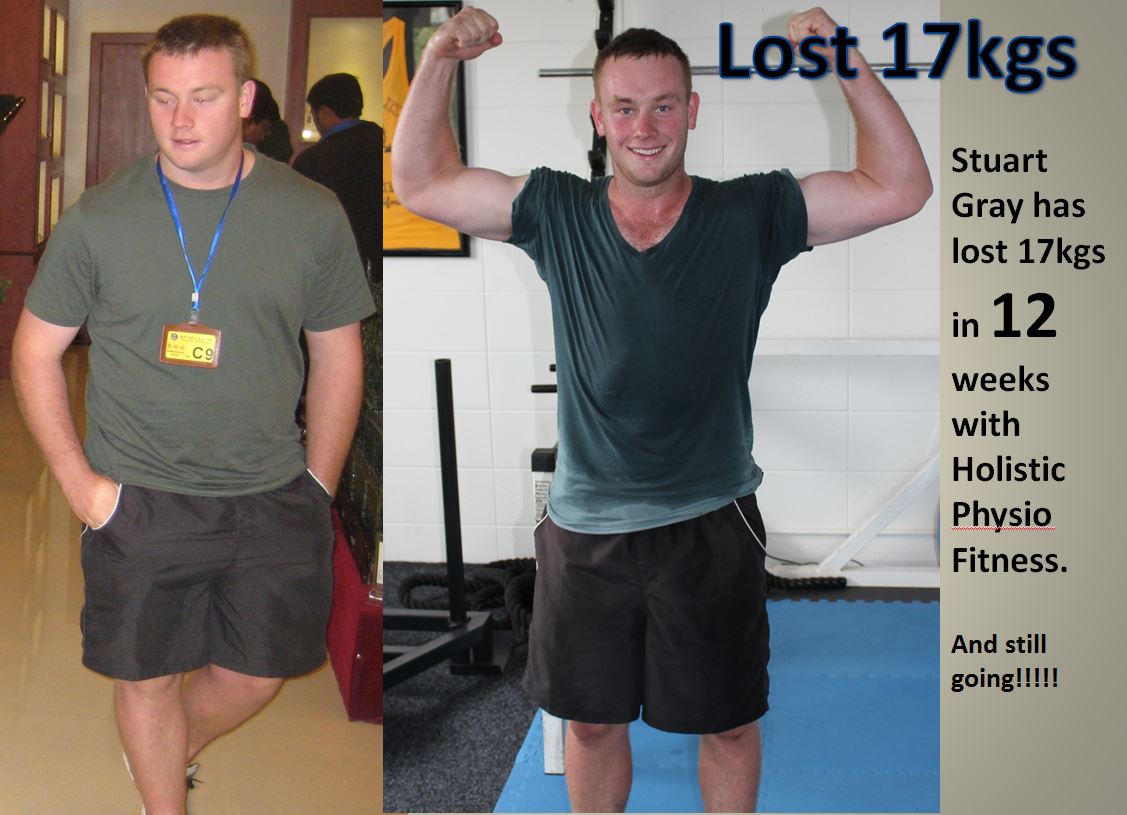
Below are 5 simple weight loss tips that will help you reach your goals quickly and safely.

  • Permanent change, not temporary dieting. Have you ever heard of yo-yo dieting. Well this is the most common reason for putting back on that weight you lost from dieting. The body recognises a quick reduction in the amount of calories the body is consuming and can only assume one thing, that you are starving. Therefore the body will automatically reduce your metabolism (bodys ability to burn off calories), to survive. Once you go back onto your previous diet then the body will usually regain weight and most of the time gain more than you lost. You have to get a diet that is balanced, healthy and SUSTAINABLE, meaning something you can continue to keep up for the rest of your life.
  • Support from family and friends. We think it is a must to have the support of your family, friends, co-workers and whoever else you trust. Once you have them in your corner not only does it push you a little more but they will hopefully act as a support network when things get difficult.
  • Slow and steady wins the race. Losing weight too fast can also cause the body to go into survival mode dropping your metabolism. Whilst you need to reduce your calorie intake to lose weight you need to almost trick the body into thinking that you are not really reducing the amount of food. Eating regular but smaller meals will help this. Eating vegetables high in fibre can also help. There are also some specific foods such as “slim noodles” that can be found in the health food section of the major supermarkets that have very low calories that will fill you up and mimic calorie dense food, without actually having the high calories that normal noodles may have.
  • Goal setting. Set yourself an ultimate goal for the future, like being able to wear that bikini you bought when you were a teenager. You must also set short term goals though. Short term goals are far more attainable and realistic in the near to mid future. Goal setting allows you also to measure your performance and alter it according to your ultimate goal.
  • Use tools that help you track your progress. Food diaries or calorie counting can be a great way to see exactly where you are going wrong. Also tracking your weight loss is important if your gaol is weight loss. If your goal is more shape orientated than maybe taking measurements can help. In order to determine which type of tracking and goal setting is appropriate for you consult with a professional.

In order to set up a weight loss programm call our professionals on (02) 9999 6666


27/Feb/2021

The topic of Injury from Over-training is a complex one. The following is an article on the signs of over-training and the ways to avoid it. On the one hand we love you training hard, but on the other hand we don’t want you to injure yourselves.

If over-training occurs, there is not sufficient recovery time between workouts therefore your progress is hampered. An acute increase of catacholamines (ephinephrine and norepinephrine) occur during exercise. During over-training, prolonged ephinephrine and norepinephrine levels can decrease testosterone and increase cortisol thereby stunting or inhibiting adequate adaptation. Put simply, your body cant recover quickly enough meaning that it ends up crashing.

One of the most common musculoskeletal injuries caused by overtraining is a tendinopathy (tendon injury). Tendons are the connective tissue that join muscles to bone. Tendonitis or tendonopathy is a common sports injury that often occurs from overuse. When you work out hard and often, your muscles will grow providing you have the proper nutrition. However, your tendons do not grow the same as muscles and are therefore put under a lot of pressure during exercise. Furthermore there is a very limited supply of blood to the tendons meaning that they will not repair and heal nearly as quickly as muscle does. Tendon issues can cause deep, nagging pain that is caused by inflammation and finally degradation of tendons. Treating tendon problems consists of rest, medication, physical therapy or changes to equipment or technique.

There are many, many more injuries that come from over-training, but the point of this article is to show you the warning signs to look out for and how to fix it.

Physical Signs & Symptoms

    • Elevated resting pulse / heart rate
    • Frequent minor infections
    • Increased susceptibility to colds and flu’s
    • Increases in minor injuries/ niggles
    • Chronic muscle soreness or joint pain
    • Exhaustion
    • Lethargy
    • Weight loss
    • Appetite loss
    • Insatiable thirst or dehydration
    • Intolerance to exercise
    • Decreased performance
    • Delayed recovery from exercise


Psychological Signs & Symptoms

    • Fatigued, tired, drained, lack of energy
    • Reduced ability to concentrate
    • Apathy or no motivation
    • Irritability
    • Anxiety
    • Depression
    • Headaches
    • Insomnia
    • Inability to relax
    • Twitchy, fidgety or jittery


As you can see there is a wide variety of symptoms associated with over-training. But the worst part for all you hard workers is that all your hard work will be for nothing. Training hard is great idea, but only if you are doing it properly. One of the main problems is that many people look to magazines and unreliable sources for their training regimens. Everybody is vastly different meaning that your program should be vastly different from someone else. For example below is a well know magazine that does inspire people to get out there and train hard, and as much as we love that, the advice is usually aimed at advanced exercises with a particular genetic capability. We are not saying that all the advice is bad, we are just saying that you have to take it with a grain of salt. Know your own capabilities and then weigh up the options.


Magazine which inspire to gain strength and train hard

Our advice to avoid over-training

  • Have the proper and adequate nutrition
  • Seek professional advice regarding micro and macro-cycles in training
  • Seek advice on the adequate amount of rest needed for YOU, not somebody else.
  • Slow and gradual increases to your training rather than quick
  • Get adequate rest and sleep
  • Monitor other stresses in your life
  • Don’t train when sick
  • Avoid monotonous training


For further advice on this topic call Holistic Physio Fitness on (02) 9999 6666


27/Feb/2021


If you are ill, see your Doctor. If you are injured, see your Physiotherapist. Physiotherapy is professional healthcare position that addresses injury and some illness. Physiotherapists are highly trained experts in movement and function who work in partnership with their patients, assisting them to overcome disorders, which may have been present from birth, acquired through accident or injury, or are the result of ageing or life-changing events. Physiotherapy is the treatment of disease, injury, or deformity by physical methods such as massage, heat treatment, and exercise rather than by drugs or surgery.

Physiotherapy can help to recover from injury, reduce pain and stiffness, and increase mobility. A physiotherapist can also help you prevent further injury by listening to your needs and working with you to plan the most appropriate treatment for your condition, including setting goals and treatment outcomes. In short…. PAIN REDUCTION!!

As first contact practitioners, a doctor’s referral is not required to see a physiotherapist. Physiotherapists, doctors, and other health professionals will often work as part of a team to plan and manage treatment for a specific condition.

What sort of treatments do physiotherapists use?

Physiotherapists are trained to assess your condition, diagnose the problem, and help you understand what’s wrong. Your treatment plan will take into account your lifestyle, activities, and general health.

The following are common treatment methods physiotherapists may use:

  • manual therapy including joint mobilisations
  • exercise therapy specific to the injury or disability
  • massage and deep tissue work to reduce stiffness and pain
  • muscle re-education to improve balance and overall control
  • breathing exercises to improve lung function
  • soft tissue mobilisation (massage)
  • acupuncture or dry needling
  • hydrotherapy (pool therapy)
  • assistance with use of walking aids, braces, splints, casting etc.

Where will you find a Physiotherapist?

Physiotherapists work in all sectors of healthcare, including public and private hospitals, private practice, rehabilitation centres, sporting clubs and community health centres.

What qualifications are required to practice as a physiotherapist?

Physiotherapy courses vary across the country and entry may be through a bachelor, masters or professional doctorate program. Physiotherapists are required by law to be registered with the Physiotherapists Registration Board in the state or territory in which they are practising.


27/Feb/2021

Excess weight and knee pain:

Body weight and knee pain is something that Physiotherapists, Exercise Physiologists and Doctors alike recognise as a DIRECT correlation. There are many patients that we see with knee pain, especially osteo-arthritis, who are overweight. This poses a major problem when trying to reduce that patients amount of knee pain. A study in the journal “Arthritis and Rheumatism” found that each kilogram of body weight lost will result in an 8-fold reduction in the forces placed on the knee during the normal steps of walking. This is a significant amount when accumulated over thousands of steps per day. Therefore it is strongly suggested that if you are attempting to reduce or get rid of this category of knee pain and many other types, then you should also consider at least some degree of weight loss.


Easier said than done? Yes and no.

Yes because training with sore knees is quite frankly difficult.

On the other hand No beacause there are many different ways to lose weight. For example, boxing, swimming, cycling and rowing can all be low to no pressure on the knees. With the help of your Physiotherapist Trainer, there are clear pathways to losing weight without aggravating your injuries or conditions.

Physiotherapy Intervention:

A trained Physiotherapist will be able to clearly diagnose the barriers standing in the way. Not only can they treat and reduce the initial pain, but will then be able to guide you through the minefield of avoiding injury along the way. One of the best forms of exercise for weight loss is running. BUT, this is a problem with knee pain. Therefore my advice would be to choose low impact exercises. For example, opt for a stationary bike over running on the treadmill, and walk on a flat surface instead of hilly turf.  If you’re a die-hard treadmill fan, then go for longer sessions of walking punched with brief intervals of brisk walking or running every three to five minutes

Exercise Physiology:

Exercise physiology is the study of the acute responses and chronic adaptations to a wide range of physical exercise conditions. In addition, many exercise physiologists study the effect of exercise on pathology and injury, and the mechanisms by which exercise can reduce or reverse disease and injury progression. Seeking out professionals with the adequate training and knowledge will ensure not only a more efficient weight loss journey, but a smoother one with less injury and obstacles.

Sydney Rehab:

We combine both of the above professions for a good reason. When we first assess your injury or pain, we can then implement an appropriate and safe strategy to fix the issue. Then, we can also follow through with that strategy and train you ourselves. This way you will

  • Reduce the likelihood of re-injury or aggravation
  • Get faster results
  • Rehabilitate the injury at the same time as losing weight and getting fit
  • Save money in the process by only seeing one specialist.


hpf-0020-1200x800.jpg
27/Feb/2021


This is an update video of Jakes Physio progress. He is now able to do most things from surfing to boxing. We are still doing hard weight training but this shows him focusing in on his rotator cuff training. This exercise is very good for surfing.

Exercises are a very important part of treatment for a rotator cuff disorder. If pain, weakness, and stiffness in your shoulder are related to problems with your rotator cuff, a Physiotherapist will usually first recommend nonsurgical treatment. Exercises, combined with periods of rest, ice, and heat and taking nonsteroidal anti-inflammatory drugs, resolve most rotator cuff problems. If the pain in or function of your shoulder does not improve with these methods, surgery or other treatment may be considered.

You need to avoid certain motions and everyday activities that make your problems worse, such as reaching into the backseat of your car or stretches that pull your arms toward your back. Be careful when you begin your exercises. Slow down or stop activity if necessary.

Please call us on 9999 6666 to further discuss injuries of the shoulder and how your rotator cuff may be involved.


27/Feb/2021

Setting the framework

Sports nutrition is a science that requires a solid understanding of the nutritional factors effecting performance, recovery and health, a knowledge of the nutritional value of food and fluids, and the necessary skills to implement appropriate nutritional strategies into daily training and competition.

A key priority for athletes and every day people alike, is to establish a well-chosen diet that can be easily manipulated when special situations emerge (for example, changes to training load, changing body composition goals, or special competition needs).

A good base diet will provide adequate nutrients and energy to enhance adaptations from training, support optimal recovery and avoid excessive food-related stress.

Heavy training increases the need for nutrients, particularly carbohydrate, protein and micronutrients (vitamins and minerals).

These increased requirements are usually met when an athlete consumes a diet that:

• provides adequate total energy (kilojoules)

• balances carbohydrate intake with daily exercise loads

• includes a wide variety of nutrient-rich foods including protein-containing foods.


Sydney-Rehab_Logo_RGB

Our practitioners at Sydney Rehab are highly qualified professionals with years of experience and the highest qualifications. Rest assured that you will receive the highest standard of health care available in Sydney.

We have all the necessary equipment and skills to provide a complete service for any injury or condition.

*Individual results may vary with any of our services.

Contact Us!

Fields marked with an * are required